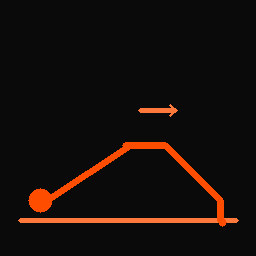
Glute Bridge
10 reps · 30s · 2 rounds
Drive through heels, ribs down — don't let the lower back arch. Squeeze glutes at the top and hold for a beat.
Lower back pain is the #1 injury driver across Australian trades. Heavy lifting on site, long-haul driving for FIFO swings, twist-and-lift postures under houses, awkward holds in roof spaces, vibratory load on plant — they all land in the same place. A pre-shift or on-break routine is the cheapest insurance on the roster.
Run all six in order. Each takes under two minutes. Do them slowly — the goal is control, not sweat. If a movement tweezes, skip it and flag it for the AI Coach next time you check in.
Drive through heels, ribs down — don't let the lower back arch. Squeeze glutes at the top and hold for a beat.
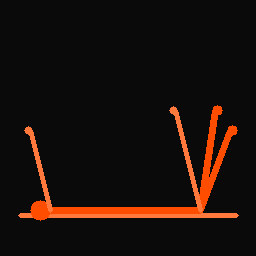
Lower back pressed flat into the floor the whole time. Slow the leg drop — if it wobbles, you're going too fast.
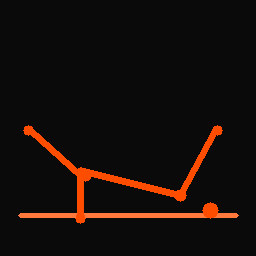
Think about setting a glass of water on your lower back and not spilling it. Stay long through the arm.
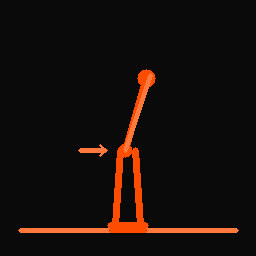
Push the hips back, not down. If your lower back is doing the bending, you've gone too far — back off and reset.
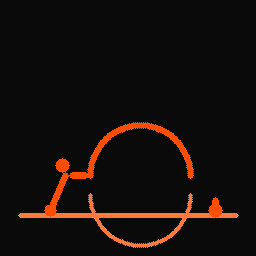
Move through the full range — both ends of the curve count. Breath in on cow, breath out on cat.
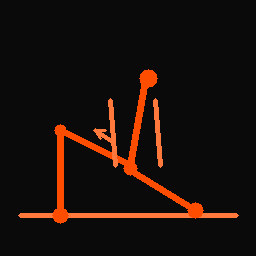
Tuck the tail, squeeze the back glute, push the hips gently forward. If you feel it in the front of the hip, you're in the right spot.
Three minutes. Floor space. Run it before you shower off the dust — not after, when you've already tightened up on the couch.
Back knee on the floor, hips square. Tuck the tail and push forward until you feel the stretch down the front of the hip on the kneeling side.
Knees wide, big toes touching, arms long. Sink the hips back to the heels and let the lower back decompress. Breath into the belly, not the chest.
On the back, one hand on the chest and one on the belly. Only the belly hand should move. Long slow exhale through pursed lips — that's the one that drops the nervous system down.
A few straight answers for the days when the back is talking louder than the toolbox. This is general guidance, not a diagnosis.
It can be either, and often it is a mix. Repeated lifting, long drives, bent-over work, and awkward holds can load the back up, while age can change how quickly it settles. If the pain is new, keeps worsening, follows a knock, or comes with leg weakness, numbness, or bowel or bladder changes, get assessed rather than writing it off as getting old.
A mild flare often settles over days to a couple of weeks when you reduce the aggravating load and keep moving gently, but there is no reliable countdown. If it is not trending better after a week or two, keeps returning, or is getting worse, book a clinician or physio assessment. Severe pain after trauma or progressive leg symptoms need prompt medical care.
Usually not for a straightforward new back flare with no warning signs. A clinician can decide whether imaging would change the plan after asking about the pattern, strength, sensation, and injury. Get urgent help for major trauma, progressive neurological symptoms, marked weakness, or new bowel or bladder problems.
A belt may make a heavy lift feel more supported for a short job, but it is not a fix and should not be your only strategy. It does not replace better setup, sensible load, bracing practice, and recovery. If you need a belt to get through normal work or the pain is worsening, get the back assessed.
Often you can stay active, but modify the shift: avoid the heaviest awkward lifts, keep loads close, change position regularly, and ask for a hand with the jobs that spike the pain. Do not push through sharp or escalating pain. Stop and seek medical advice after trauma, with progressive leg symptoms or marked weakness, or if the pain keeps worsening.