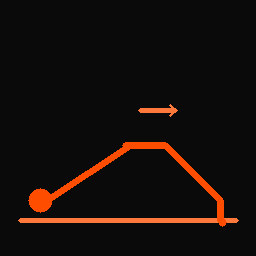
Terminal Knee Extension (TKE)
15 reps each side · 30s · 2 rounds
Band or towel behind the knee, drive it back into the anchor while standing tall — feel the quad light up, not the knee joint.
Tradies' knees cop the load every single shift — long hours kneeling on concrete, repeated ladder climbs under load, jumping out of utes and plant, deep squats under steel, and the constant vibratory chatter of heavy equipment. It all lands in the same joint. A short prehab routine is the cheapest insurance on the roster.
Run all six in order. Each takes under two minutes. Do them slowly — the goal is control, not sweat. If a movement tweezes, skip it and flag it for the AI Coach next time you check in.
Band or towel behind the knee, drive it back into the anchor while standing tall — feel the quad light up, not the knee joint.
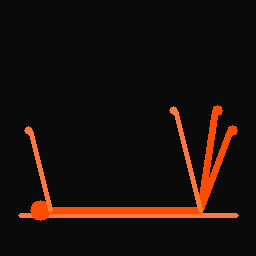
Lean back into the band or strap, sit the hips back, kneecaps track straight over the toes — slow eccentric, no knee collapse on the way up.
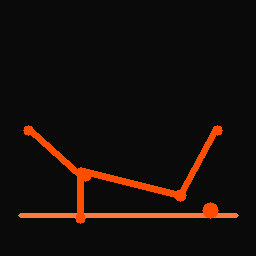
Knees over ankles, hips above knees, push the wall away with the lower back — if the burn lands behind the kneecap, drop angle and reset.
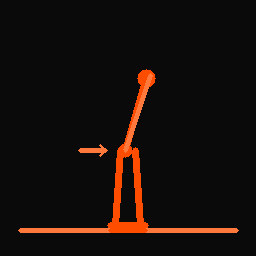
Drive through the heel of the leading foot, stand fully at the top — if the knee caves in, slow down and pick a lower step.
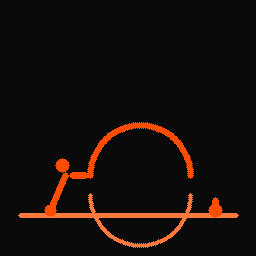
Pad or fist between the knees, drive the hips up and squeeze — look for glute, not hamstring.
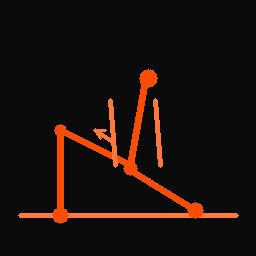
Shin vertical against a wall or bench, back knee down, tuck tail and squeeze the back glute — opens the front of the hip so the knee isn't being pulled from above.
Three minutes. Floor space. Run it before you shower off the dust — not after, when you've already tightened up on the couch. It won't undo a bad shift, but it stops today's grim from showing up as tomorrow's swelling.
Down the front of the thigh, slow passes, breath out as you cross any tender spots. Avoid rolling directly across the kneecap — work above and below the joint.
Same cue as the prehab version, longer hold. Opens the front of the hip and takes pressure off the front of the knee so it can settle for sleep.
On the back, one leg bent at 90° with the knee stacked over the ankle. Long slow exhale through pursed lips — drops the nervous system down so the knee isn't bracing for tomorrow's shift.
Straight answers for kneeling, stairs, ladders, and squat-heavy work. Use this as general information, not a diagnosis.
Kneeling, climbing, repeated squats, and old injuries can all irritate a knee, and age can change how it tolerates load. Pain alone cannot tell you whether arthritis is involved. If the knee is hot and very swollen, locked, giving way, injured in a twist or fall, or getting worse, get it assessed rather than guessing.
Do not force the painful version of the job. Shorten the range, slow the movement, use a step or hand support, rotate tasks, and take a helper for the heavy or awkward work where you can. Mild discomfort that settles may be manageable, but sharp pain, swelling, buckling, locking, or worsening pain is a reason to stop and get advice.
Not every sore knee needs a scan first. A clinician can check the history, swelling, movement, stability, and strength, then decide whether imaging or another test would change the plan. Seek prompt care after significant trauma, if the knee is locked or badly swollen, or if you cannot put weight through it.
A sleeve can add warmth and a strap may make one task feel more comfortable, but neither fixes the cause or makes a risky job safe. Treat them as optional support while you manage load and build capacity. If you need the sleeve just to walk or work, or the knee keeps giving way, get it checked.
A small irritation may calm over several days, while a bigger flare can take a few weeks. The useful sign is a steady trend toward less pain and better movement, not a perfect day-to-day line. If it is not improving after a week or two, keeps swelling, or is worsening, arrange an assessment; urgent care is needed after trauma or with marked weakness.